PL
PL 

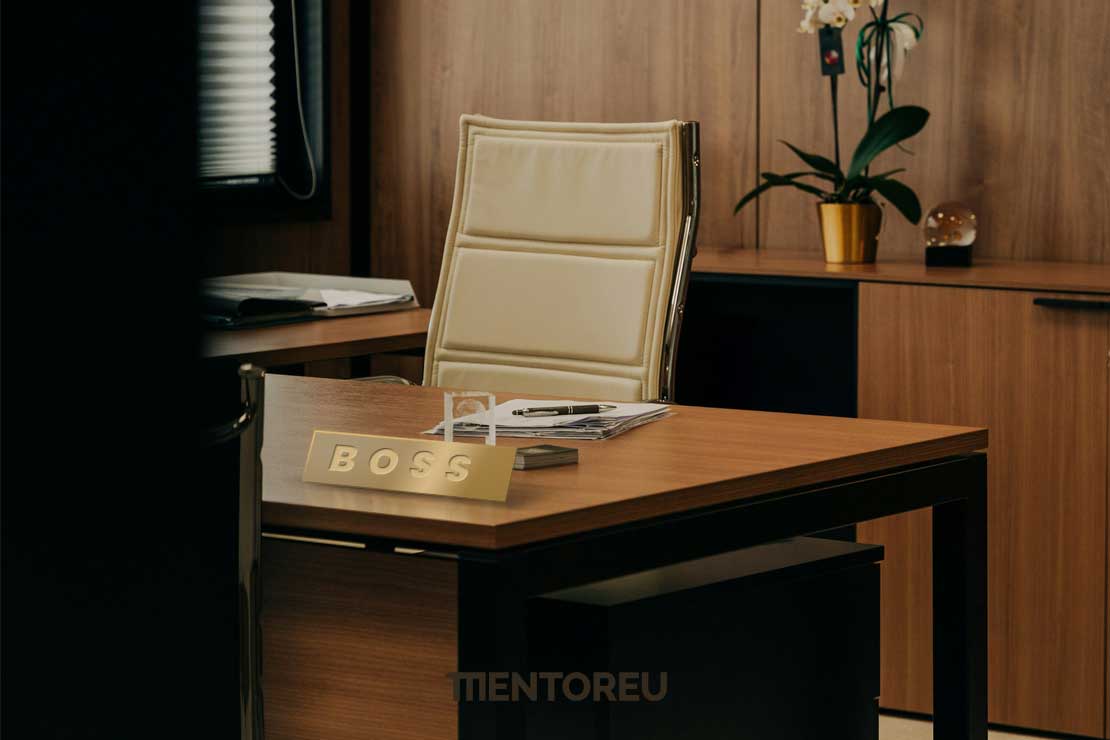
I still remember the times when a “good boss” had three attributes: a closed door, a heavy desk, and a stern face. He spoke – others obeyed. And everyone firmly believed that this was what effective leadership looked like.
Today, as I watch the younger generation of entrepreneurs and managers, I know one thing: that model is not only outdated, it is gone for good. The world of work has changed so profoundly that rigid hierarchies are no longer enough to navigate its complexity.
The future belongs to guides – leaders of tomorrow who lead with both heart and mind.
1. From Boss to Guide – The Evolution of Leadership
The history of leadership mirrors the history of social, economic, and cultural shifts. Just a few decades ago, the employee was expected to be a cog in the machine. Someone who executed tasks efficiently and without question.
The leader – or rather “the boss” – acted as a controller. Hierarchy and obedience were all that mattered.
Today, organizations function in a VUCA world – or more accurately, a BANI world: brittle, anxious, non-linear, and incomprehensible. Value is no longer created by faceless “cogs” but by individuals with unique talents, motivations, and sensitivities.
That is why the leader’s role has transformed from controller to guide. A guide builds context, inspires, connects, and develops people.
2. Evidence-Based Leadership – Not Guesswork
As a mentor to executives, I often say: “A leader’s intuition is valuable, but it is not enough.”
Modern leadership should be evidence-based – informed by data, behavioral analyses, and research into motivation. This is why I work with tools such as Extended DISC®, which help leaders understand their natural behavioral style and identify potential risks.
Evidence-based leadership means:
- making decisions grounded in facts, not assumptions,
- building teams around real talents, not stereotypes,
- supporting personal growth with reliable feedback.
3. Who Are the Leaders of Tomorrow?
From my experience, three characteristics define the leaders of tomorrow:
- Self-awareness – they understand their strengths and limitations. They know when to act and when to listen.
- Balancing effectiveness with humanity – they can demand results and provide support at the same time. They are ambitious, but not at the expense of people.
- Courage to lead through uncertainty – they do not claim to have all the answers but create a space for collective problem-solving.
A strong leader doesn’t need to raise their voice to be heard. It’s enough to extend a hand and say: “Come on, we can do this together.”
4. Why Old Models Fail
Many managers still cling to the old script: a firm hand, rapid decisions, and no questions asked. But this approach produces:
- high employee turnover,
- disengagement,
- burnout,
- conflict within teams.
New generations – Millennials and Gen Z – want something else: partnership, growth, and authenticity.
5. What Research Tells Us
Harvard Business Review highlights that employees who perceive their leaders as empathetic and transparent are 50% more engaged. Gallup has been saying for years: “People don’t leave companies – they leave managers.”
Evidence-based leadership is not a buzzword. It is a prerequisite for building competitive advantage.
6. Lessons from My Clients
Working with executives across Poland and global markets, I see a recurring pattern: leaders who have the courage to ask for support grow the fastest.
I recall a leader who came to me after running her company for eight years. She admitted, “I don’t have a strategy.” That sentence changed everything. We began by analyzing her leadership style, then built the foundations of strategic thinking. Today, she leads an organization that not only grows but creates sustainable competitive advantage.
7. Leading with Heart and Mind
Old leadership models were built on power and fear. Leaders of tomorrow build strength differently:
- with heart – through empathy, trust, and relationships,
- with mind – through data, strategy, and openness to innovation.
8. Mentorship as a Sparring Arena for Leaders
Leadership is often lonely work. That’s why it is vital to have a sparring partner – someone unafraid to ask tough questions.
Mentorship and executive coaching give leaders space to reflect, grow, and step outside the daily operational whirlwind. It’s a moment to not only “put out fires” but to actively design the future.
9. Why Now?
Rapid market shifts, artificial intelligence, and rising employee expectations mean that leaders of tomorrow are needed more than ever.
Organizations that invest in leadership development today will be the ones winning talent, driving innovation, and earning long-term loyalty tomorrow.
10. A Program for Leaders of Tomorrow – Invitation
If you feel the world around you is changing faster than the leadership models you know, this program is for you.
I have designed a 4-month development program for leaders of tomorrow where you will:
- discover your leadership style with evidence-based tools,
- build a development plan around your strengths,
- learn how to combine effectiveness with humanity,
- prepare to lead teams through uncertainty and change.
Because a strong leader doesn’t need to shout. They only need to extend a hand and say: “Come on, we can do this together.”
👉 Join the 4-month development program for leaders of tomorrow and build evidence-based leadership that inspires rather than dominates.
📅 Reserve your place today.
🔗 Contact me for details